
Allied Psychiatry and Mental Health provides comprehensive support for individuals struggling with addiction in Newport Beach & Orange County, CA. Dr. Hadi Estakhri, MD, uses his specialized training to develop personalized recovery plans tailored to each patient’s unique biological and psychological needs. By addressing both the physical and behavioral aspects of substance use, the practice helps patients reclaim control over their lives.

Addiction is a chronic, complex brain condition characterized by the compulsive use of substances despite experiencing harmful consequences. It often involves changes in brain chemistry that make it difficult to stop using alcohol, opioids, or other drugs without professional intervention. This condition is not a failure of willpower but a medical issue requiring specialized care.
Individuals may find themselves using more of a substance than they originally intended or for longer periods than planned. Despite a persistent desire to cut down or regulate use, many find it impossible to do so without clinical support.
Over time, the body requires larger amounts of a substance to achieve the same effect or high. If use is stopped or reduced, the individual may experience physical or psychological distress known as withdrawal symptoms.
Substance use often leads to a decline in performance at work, school, or home. Important social, occupational, or recreational activities are frequently given up or reduced because of the time spent using or recovering.
Continuing to use substances even in situations where it is physically hazardous is a common sign of a serious disorder. This may include driving under the influence or using substances in dangerous environments despite knowing the risks.
Much of an individual’s mental energy is spent obtaining the substance, using it, or recovering from its effects. These cravings can become so overwhelming that they interfere with daily cognitive function and decision-making.
Addiction often stems from a combination of genetic, environmental, and developmental factors that influence how the brain processes rewards. Changes in the brain’s neural pathways make the pursuit of certain substances feel essential for survival. Co-occurring mental health conditions like depression or anxiety can also significantly increase the risk of developing a dependency.
Individuals who have tried to quit alcohol or opioids on their own but have been unsuccessful are candidates for professional treatment. Medical supervision provides the structure and safety necessary to navigate the early stages of recovery.
Those experiencing a dual diagnosis, where addiction coexists with another mental health condition like PTSD or bipolar disorder, require integrated care. Addressing both issues simultaneously is essential for achieving a stable and long-term recovery.
People seeking a flexible recovery option often choose outpatient programs that accommodate their daily lives. This allows them to maintain professional and personal commitments while receiving intensive, expert support.
Candidates looking for evidence-based medical interventions, such as MAT, find that these treatments effectively reduce cravings and stabilize brain chemistry. This approach is suitable for those committed to a long-term path toward sobriety.
Stopping the cycle of substance use allows the body to begin healing from the physical toll of addiction. Patients often report improved energy levels, better sleep quality, and restored organ function over time.
Treatment helps stabilize brain chemistry, leading to better focus, memory, and emotional regulation. This clarity is essential for making healthy life decisions and maintaining a long-term commitment to sobriety.
Recovery provides the emotional tools needed to repair trust and communication with family and friends. Stable behavior and improved reliability often lead to the restoration of valuable social and support connections.
Professional care equips patients with coping strategies to manage environmental triggers and daily stressors. Utilizing medications like Vivitrol can further decrease the physiological urge to return to substance use.
By removing the daily burden of dependency, individuals can refocus their energy on career goals and personal interests. This often results in greater professional stability and the ability to build a productive life.
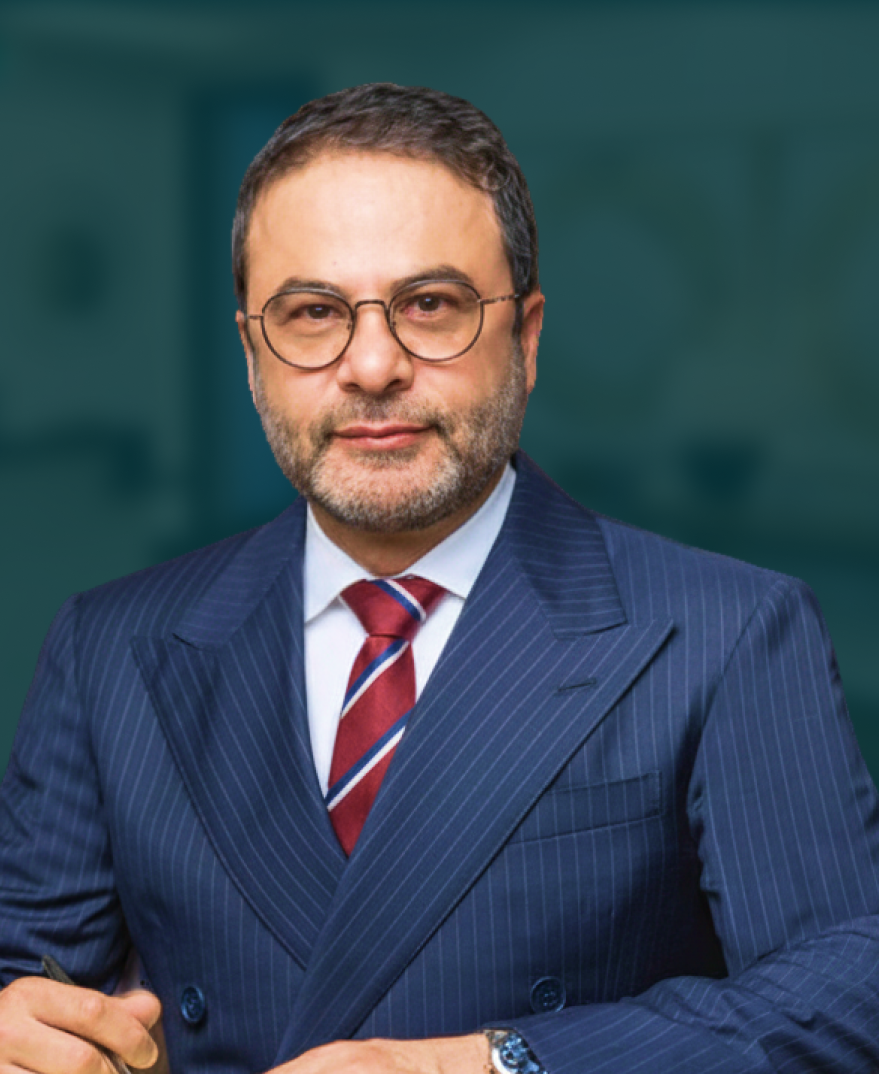
Choosing Allied Psychiatry and Mental Health means working with Dr. Hadi Estakhri, MD, a double board-certified expert in both general and addiction psychiatry. This unique qualification ensures that co-occurring disorders are treated with equal priority. Our office provides a confidential setting where medical expertise meets compassionate, patient-centered care to foster lasting recovery.
Not sure which treatment is best for you?
Check Your Insurance Coverage
Testimonials

— Lauren M.
Meet Our Provider