
Transcranial Magnetic Stimulation, commonly known as TMS therapy, is an advanced, non-invasive treatment that has gained attention for its role in mental health care. While it is most widely recognized for treating depression, many patients also wonder whether it can help with anxiety. The answer is that TMS may be beneficial for certain individuals, particularly when anxiety is connected to underlying mood disorders.
Understanding how TMS works and when it is appropriate can help determine whether it is a suitable option for managing anxiety symptoms.
What TMS Therapy Is Designed to Do
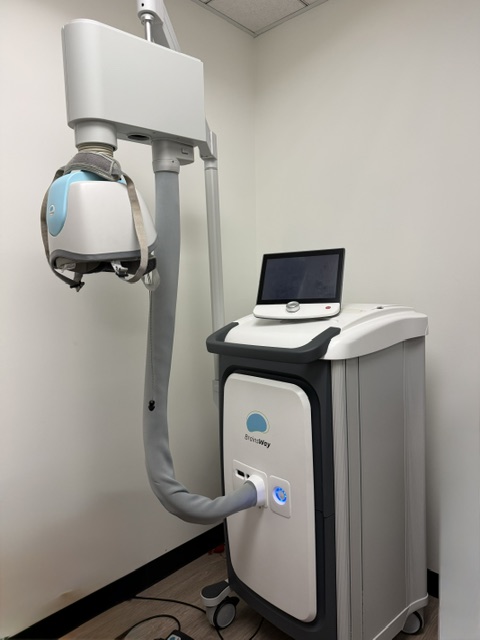
TMS therapy uses targeted magnetic pulses to stimulate specific areas of the brain involved in mood regulation. These pulses are delivered through a device placed on the scalp, allowing for precise activation of neural pathways without the need for medication or surgery.
The treatment focuses on areas of the brain that may be underactive or dysregulated in individuals experiencing depression and anxiety. By improving activity in these regions, TMS helps restore more balanced brain function over time.
How Anxiety Is Connected to Brain Activity
Anxiety is not only an emotional experience but also a neurological one. It often involves overactivity in certain parts of the brain that control fear and stress responses, along with reduced regulation from areas responsible for emotional control.
This imbalance can lead to persistent worry, restlessness, and difficulty calming the mind. When these patterns become long-term, they can be difficult to manage with lifestyle changes alone.
TMS works by influencing these neural circuits, helping the brain respond to stress in a more controlled and stable way.
Does TMS Directly Treat Anxiety Disorders
TMS is primarily approved for major depressive disorder, but it is frequently used in patients who also experience anxiety symptoms. In many cases, depression and anxiety occur together, and improving one condition can lead to relief in the other.
When TMS may help anxiety:
- Anxiety that is linked to treatment-resistant depression
- Persistent worry that has not improved with medication
- Symptoms that interfere with daily functioning
While TMS is not always used as a first-line treatment for standalone anxiety disorders, it can still provide meaningful improvement when traditional approaches have not been effective.
What Patients Experience During Treatment
TMS therapy is performed in a clinical setting and does not require anesthesia. Patients remain awake and alert throughout each session, which typically lasts under an hour.
During treatment, patients may feel a tapping sensation on the scalp as magnetic pulses are delivered. Most individuals are able to return to their normal activities immediately after each session.
Over time, repeated stimulation helps strengthen healthier brain activity patterns, which can reduce both depressive and anxiety-related symptoms.
Effectiveness for Anxiety Symptoms
Many patients undergoing TMS for depression report a noticeable reduction in anxiety as treatment progresses. This improvement is often linked to better emotional regulation and decreased reactivity to stress.
Instead of feeling constantly overwhelmed, patients may begin to experience a greater sense of calm and control. Sleep quality, focus, and overall mood may also improve as anxiety symptoms decrease.
At Allied Psychiatry and Mental Health, TMS therapy is used as part of a comprehensive care plan, allowing providers to address both mood and anxiety-related concerns in a structured way.
Role of Personalized Treatment Planning
Not every patient with anxiety will respond to TMS in the same way. A thorough evaluation is essential to determine whether this treatment is appropriate based on individual symptoms and medical history.
Dr. Hadi Estakhri, MD carefully assesses each patient to understand the relationship between anxiety, depression, and overall mental health. This helps guide whether TMS should be included as part of the treatment strategy.
In many cases, TMS is combined with other therapies such as medication management or psychotherapy to achieve the best possible outcome.
Limitations to Consider
While TMS can be effective, it is not a universal solution for all types of anxiety. Patients with mild or situational anxiety may respond well to therapy, lifestyle changes, or medication alone.
TMS is generally considered when symptoms are persistent, significantly impact daily life, or have not improved with other treatments. Understanding these limitations helps set realistic expectations for results.
Conclusion
TMS therapy can be an effective option for reducing anxiety, particularly when it is connected to depression or has not responded to traditional treatments. By targeting specific brain regions involved in emotional regulation, it helps create more balanced neural activity over time.
At Allied Psychiatry and Mental Health, treatment is carefully tailored under the guidance of Dr. Hadi Estakhri, MD to ensure that TMS is used appropriately and effectively. For the right candidate, it can provide meaningful relief and improved overall mental well-being.

About the Author
Hadi Estakhri, MD - Founder
May 14, 2026