
How Long Does TMS Therapy Last? Timeline and Results
Transcranial Magnetic Stimulation, or TMS therapy, is a non-invasive treatment designed to improve symptoms of depression and related mental health conditions. One of the most common questions patients ask is how long the treatment lasts, both in terms of each session and the overall results.
The answer involves two parts: the duration of the treatment course itself and how long the benefits may continue after therapy is completed.
Duration of a Typical TMS Session
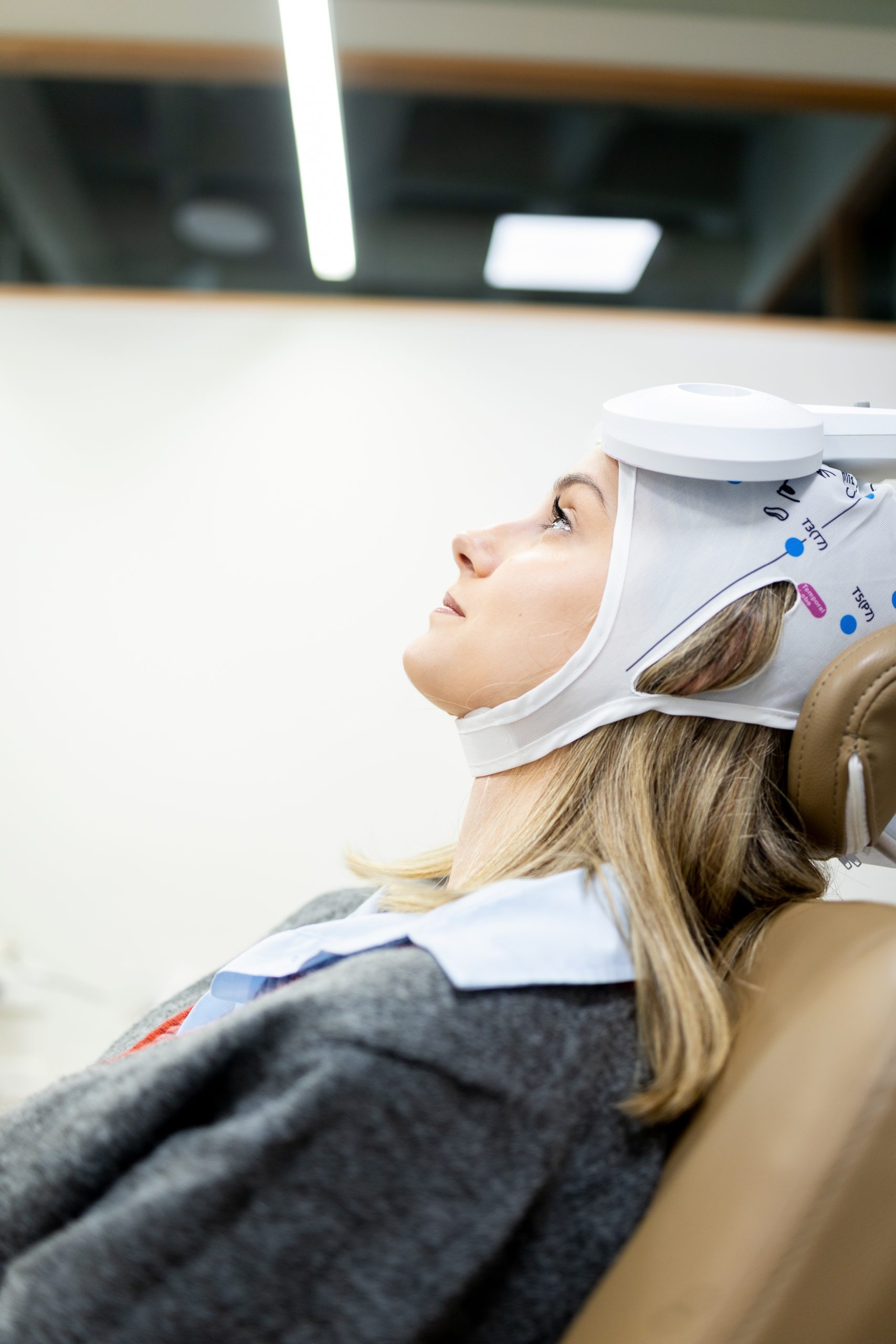
Each TMS session is relatively short and performed in an outpatient setting. Most treatments last between 20 to 40 minutes, depending on the specific protocol being used.
During the session, magnetic pulses are delivered to targeted areas of the brain through a device placed on the scalp. Patients remain awake and alert the entire time and can return to normal daily activities immediately afterward.
Because there is no sedation involved, sessions can easily fit into a regular daily routine.
How Long the Full Treatment Course Takes
TMS therapy is not a one-time treatment. It is delivered over a series of sessions to gradually influence brain activity and improve symptoms over time.
A standard course of treatment typically lasts several weeks. Patients often attend sessions five days per week, with the total number of sessions usually ranging between 20 and 36.
Treatment timeline overview:
- Initial phase with frequent sessions over several weeks
- Gradual improvement as sessions continue
- Completion phase once therapeutic response is achieved
This structured schedule allows the brain to build and maintain healthier patterns of activity.
When Patients Start to Notice Results
The timeline for improvement varies from person to person. Some individuals begin to notice subtle changes within the first couple of weeks, while others may require more sessions before experiencing significant relief.
Early improvements may include better sleep, improved focus, or a slight lift in mood. As treatment progresses, these changes often become more noticeable and consistent.
At Allied Psychiatry and Mental Health, patient progress is closely monitored to ensure that treatment is effective and adjusted when necessary.
How Long the Effects of TMS Therapy Last
One of the key advantages of TMS therapy is that its benefits can extend beyond the active treatment period. Many patients experience lasting improvement in their symptoms after completing the full course.
The duration of results can vary. Some individuals maintain relief for several months or longer, while others may benefit from additional support over time. The goal of TMS is to create lasting changes in brain activity that continue even after sessions have ended.
Maintenance and Follow-Up Care
In some cases, maintenance sessions may be recommended to help sustain results. These sessions are less frequent than the initial treatment phase and are tailored to the patient’s needs.
Follow-up care may also include medication management, psychotherapy, or lifestyle adjustments to support long-term mental health. Combining approaches can help reinforce the progress made during TMS therapy.
Dr. Hadi Estakhri, MD works closely with patients to determine whether maintenance treatment is appropriate based on their response and overall condition.
Factors That Influence How Long Results Last
Several factors can affect how long the benefits of TMS therapy continue after treatment is completed. These include the severity of symptoms, the presence of other mental health conditions, and how well patients respond during the initial course.
Consistency with follow-up care and ongoing mental health support also plays an important role in maintaining results.
Patients who actively engage in their treatment plan often experience more stable and longer-lasting outcomes.
What Patients Should Expect Long Term
TMS therapy is designed to provide meaningful and sustained improvement, not just temporary relief. While it may not permanently eliminate symptoms for everyone, it can significantly reduce their intensity and frequency.
Many patients find that they are better able to manage daily stress, maintain emotional stability, and engage more fully in their personal and professional lives after treatment.
At Allied Psychiatry and Mental Health, TMS is used as part of a comprehensive care approach to support long-term mental wellness.
Conclusion
The length of TMS therapy includes both the duration of the treatment course and how long its effects last afterward. While sessions are short and spread over several weeks, the benefits can extend for months or longer depending on the individual.
With proper evaluation and follow-up care from Dr. Hadi Estakhri, MD, patients receiving TMS therapy at Allied Psychiatry and Mental Health can achieve lasting improvements in their mental health and overall quality of life.

About the Author
Hadi Estakhri, MD - Founder
May 15, 2026
Explore More Blogs
Conditions. Your Ally in
Achieving Lasting Relief.