
Subtle Signs of Depression in Young Adults

Depression is a common mental health condition that can affect people of all ages, including young adults.
About half of young adults report living with depression, and unfortunately, as many as 36% self-reported that their treatment needs are unmet. Other studies indicate that the actual numbers may be much higher since depression in young adults may be underdiagnosed and underreported.
How Ketamine Infusion Therapy Works to Help Chronic Pain and Depression
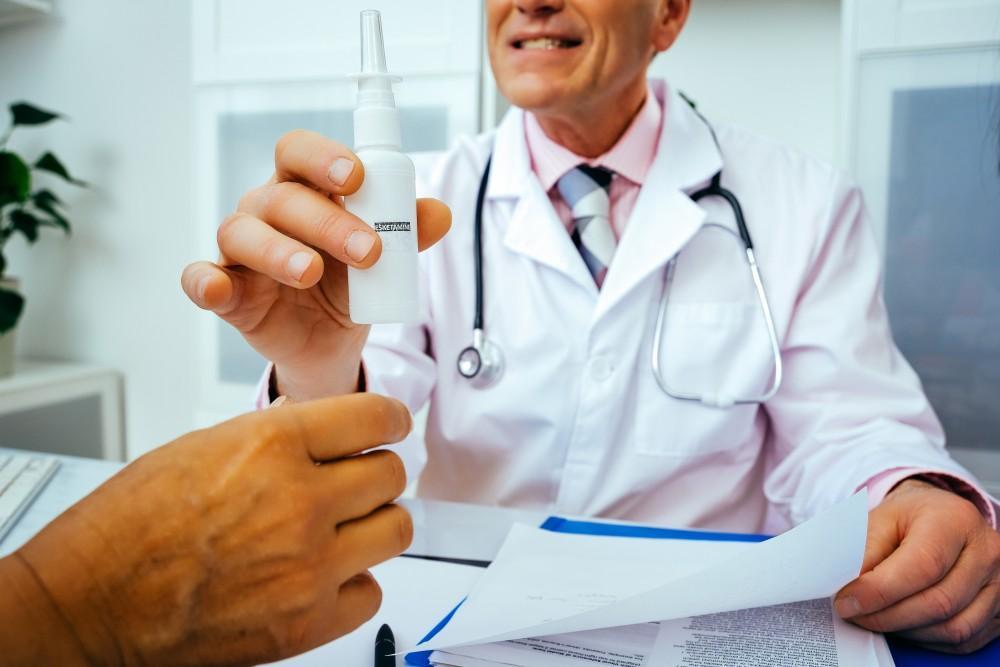
Chronic pain and depression can both zap your quality of life and for many people, the two conditions occur simultaneously. To compound matters, both conditions can be hard to manage on your own.
Getting Ready for Ketamine Therapy: A Guide to What You Can Expect
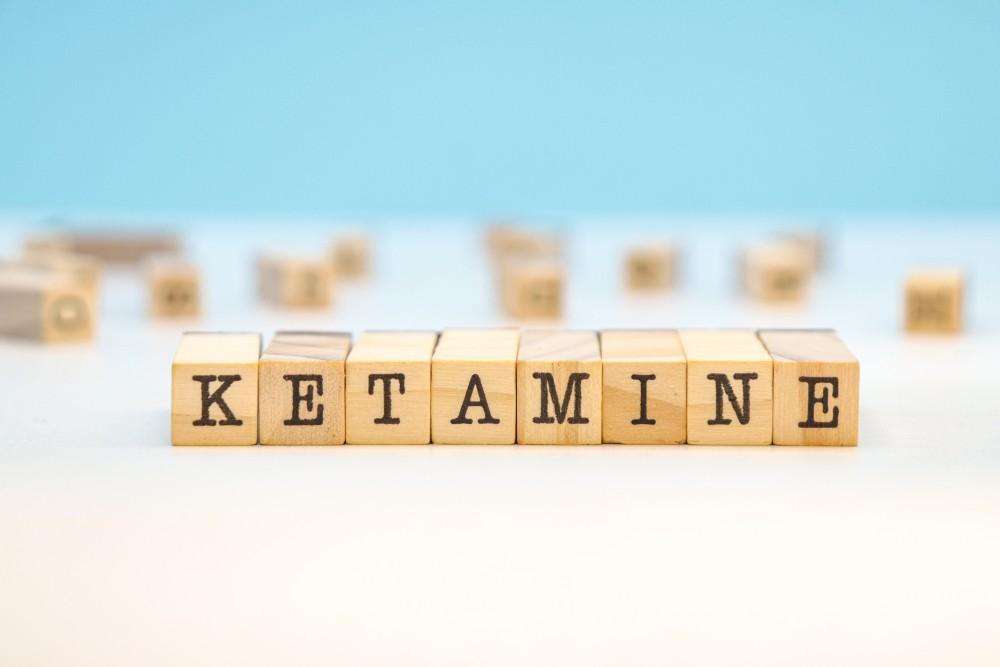
If you’re struggling with treatment-resistant depression, post-traumatic stress disorder, or anxiety, ketamine therapy can be a breath of fresh air. Ketamine stimulates specific areas of your brain — areas that antidepressants don’t target — so ketamine works even when other treatments haven’t.
Approaching a Loved One About Getting Addiction Treatment

One of the most painful things a family can go through is addiction. Rest assured, there are plenty of resources to help your loved one get the treatment he or she needs. Caring is the first step. Learn how to take that next crucial step, to approach your loved one about their addiction problem.
What to Expect During a TMS Treatment Key Insights for Patients

Transcranial magnetic stimulation (TMS) is an innovative, non-invasive treatment that relies on magnetic energy to stimulate neurotransmitter activity in specific regions of your brain that regulate your mood. TMS treatments are used as an alternative treatment for depression, including treatment-resistant depression — and TMS is available at Allied Psychiatry and Mental Health in Newport Beach, California.
How Suboxone Can Help Control Your Addiction

Since the U.S. Department of Human and Health Services (HHS) has started to fight the opioid addiction crisis, there has been a 4.1% reduction in drug overdose deaths and a 142% increase in patients receiving medication-assisted treatment. Currently, the HHS estimates that 1.27 million Americans receive medication-assisted treatment (MAT). Suboxone is one type of medication-assisted treatment 一 and it’s available here at Allied Psychiatry and Mental Health in Newport Beach, California.
Do You Have Treatment-Resistant Depression? Ketamine May Help
If you’ve been struggling with depression despite trying multiple medications, lifestyle changes, and cognitive behavioral therapy, you may have treatment-resistant depression. Treatment-resistant depression doesn’t respond to typical depression treatments.
Mental Health Comorbidities No One Talks About

Most conversations about mental health focus on one condition at a time whether that’s depression, anxiety, or bipolar disorder. The truth, however, is that mental health is rarely so simple.
How to Recognize Signs of Schizophrenia in Your Child

Schizophrenia is a complex mental health condition that affects 1% of the population. Most people are diagnosed with schizophrenia in their late teens to early thirties, but in rare cases, it can develop during childhood or adolescence. When schizophrenia develops in kids aged 13 or younger, it’s known as childhood schizophrenia, or childhood-onset schizophrenia.
Stress and Mental Health: How They Are Connected

Stress is your body’s reaction to a potentially dangerous event or a demand, according to the medical encyclopedia of the US National Library of Medicine. This means stress isn’t necessarily good or bad. For example, some levels of stress can be a good thing if it motivates you to flee danger or meet a deadline at work.